Boost Grip Strength & Prevent Carpal Tunnel: Your Expert Guide to Hand & Wrist Health
Are you experiencing persistent wrist pain, numbness, or a weakening grip? You're not alone. In today's digital age, conditions like Carpal Tunnel Syndrome (CTS) and general grip weakness are increasingly common, often stemming from repetitive motions and inadequate hand and wrist health practices. As a professional SEO expert and content writer, we understand the critical importance of not just identifying the problem, but providing actionable, SEO-optimized solutions. This comprehensive guide delves deep into effective exercises for improving grip strength and preventing carpal tunnel, equipping you with the knowledge and practical strategies to fortify your forearms, protect your median nerve, and enhance overall hand function. Say goodbye to discomfort and hello to robust, pain-free hands ready for any challenge.
Understanding Grip Strength and Carpal Tunnel Syndrome
Before we dive into specific exercises, it's crucial to grasp the interconnectedness of grip strength and carpal tunnel syndrome. Grip strength isn't just about lifting heavy objects; it's fundamental to countless daily activities, from opening jars to carrying groceries. A strong grip signifies robust forearm strength and healthy tendons. Conversely, weakness in this area can predispose you to various issues, including repetitive strain injuries (RSIs).
Carpal Tunnel Syndrome, on the other hand, is a common condition causing pain, numbness, and tingling in the hand and arm. It occurs when the median nerve, which runs from the forearm into the hand, becomes compressed at the wrist within the narrow "carpal tunnel." Factors contributing to CTS include repetitive hand movements (common in computer use and manual labor), awkward wrist positions, fluid retention, and underlying medical conditions. While exercises alone cannot cure severe CTS, they play a vital role in injury prevention, managing mild symptoms, and improving overall wrist health and resilience.
Core Exercises for Improving Grip Strength
Developing formidable grip strength involves targeting various muscles in the forearms and hands. Consistency is key, and integrating these hand exercises into your routine can yield significant benefits. Remember to start slowly and gradually increase intensity.
1. Hand Gripper Squeezes
- What it is: A classic and highly effective exercise using a dedicated hand gripper. These come in various resistance levels.
- How to do it: Hold the gripper in one hand, wrap your fingers around the handles, and squeeze firmly, bringing the handles together. Hold for a second, then slowly release.
- Sets & Reps: Aim for 3 sets of 10-15 repetitions per hand.
- Benefits: Directly targets crushing grip strength, crucial for tasks requiring sustained pressure.
- Pro Tip: Vary your grip position slightly to engage different parts of your hand and forearm.
2. Plate Pinches (or Dumbbell Pinches)
- What it is: An excellent exercise for developing pinch grip strength, which is vital for holding objects between your thumb and fingers.
- How to do it: Take two weight plates (or dumbbells) and pinch them together using your thumb on one side and your fingers on the other. Keep them from slipping.
- Sets & Reps: Hold for as long as possible (e.g., 10-30 seconds), repeating for 3-4 sets.
- Benefits: Builds strength in the intrinsic muscles of the hand and thumb, crucial for fine motor control and stability.
- Internal Link Suggestion: For more advanced techniques, explore our guide on advanced forearm training.
3. Dead Hangs (or Towel Hangs)
- What it is: A full-body exercise that profoundly challenges your grip endurance.
- How to do it: Hang from a pull-up bar with an overhand grip, arms fully extended. Keep your body relaxed. For an added challenge, wrap towels around the bar and hang from them (Towel Hangs).
- Sets & Reps: Hold for as long as you can, aiming for 3-4 sets. Start with 10-20 seconds and build up.
- Benefits: Dramatically improves grip endurance and overall forearm strength. It also helps decompress the spine.
4. Wrist Curls (Palm Up & Palm Down)
- What it is: Targets the muscles responsible for wrist flexion and extension, directly impacting grip stability.
- How to do it:
- Palm Up (Flexion): Sit with your forearm resting on your thigh, palm facing up, wrist hanging off your knee. Hold a light dumbbell and slowly curl your wrist upwards, then lower.
- Palm Down (Extension): Same setup, but with palm facing down. Slowly extend your wrist upwards, then lower.
- Sets & Reps: 3 sets of 12-15 repetitions for each variation.
- Benefits: Strengthens the flexor and extensor muscles of the forearm, providing a strong foundation for a powerful grip and healthy wrists.
Preventing Carpal Tunnel Syndrome: Beyond Just Strength
While strengthening exercises are vital, preventing carpal tunnel syndrome requires a holistic approach that includes ergonomic adjustments, regular stretching, and mindful habits. Many cases of CTS are linked to repetitive strain injury (RSI), making preventative measures paramount.
Ergonomic Setup for Wrist Health
Optimizing your workspace, especially if you have a desk job or engage in prolonged computer use, is critical for wrist health and preventing nerve compression.
- Keyboard & Mouse Placement: Position your keyboard and mouse close to your body to avoid overreaching. Your wrists should be straight, not bent up or down.
- Wrist Rests: Use a wrist rest, but ensure it supports the heel of your hand, not your wrist itself, to avoid pressure on the carpal tunnel.
- Chair Height: Adjust your chair so your forearms are parallel to the floor and your elbows are at a 90-degree angle.
- Monitor Height: Your monitor should be at eye level to prevent neck and shoulder strain, which can indirectly affect arm and hand posture.
- Call to Action: Consider a professional ergonomic assessment for personalized advice.
Targeted Stretches and Mobility Drills
Regular stretching can improve flexibility, reduce tension, and promote better blood flow, which are all crucial for tendon gliding and preventing inflammation around the median nerve.
- Wrist Flexor Stretch: Extend one arm in front of you, palm up. With your other hand, gently pull your fingers down towards your body until you feel a stretch in your forearm. Hold for 20-30 seconds. Repeat 2-3 times per hand.
- Wrist Extensor Stretch: Extend one arm in front of you, palm down. With your other hand, gently pull your fingers down towards your body until you feel a stretch in the top of your forearm. Hold for 20-30 seconds. Repeat 2-3 times per hand.
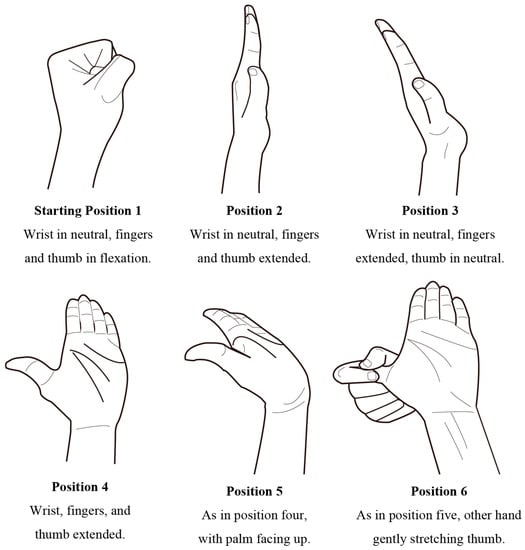
- Median Nerve Glide: This is a specific exercise to help the median nerve move freely within the carpal tunnel.
- Start with your arm extended to the side, palm up.
- Gently bend your wrist backward, pointing your fingers towards the ceiling.
- Slowly tilt your head away from your outstretched hand.
- Return to the starting position and repeat 5-10 times. This should be a gentle movement, not painful.
- Finger Spreads: Make a tight fist, then quickly and widely spread your fingers as far as possible. Repeat 10-15 times.
Mindful Habits and Lifestyle Adjustments
- Take Regular Breaks: If you perform repetitive tasks, take 5-10 minute breaks every hour. During breaks, stretch your hands, wrists, and arms.
- Vary Activities: Alternate between different tasks to reduce continuous strain on the same muscle groups.
- Maintain Good Posture: Proper posture reduces strain throughout your kinetic chain, from your back to your hands.
- Stay Hydrated: Proper hydration supports overall tissue health and can help reduce fluid retention.
- Listen to Your Body: If you feel pain, numbness, or tingling, stop the activity and rest. Persistent symptoms warrant consultation with a healthcare professional, such as a physical therapy expert or an occupational health specialist.
Advanced Considerations and Expert Tips
For those looking to further optimize their hand strength and ensure long-term injury prevention, consider these advanced strategies and expert insights.
Nutrition for Connective Tissue Health
While not a direct exercise, nutrition plays a crucial role in the health of your tendons, ligaments, and nerves. Ensure your diet is rich in:
- Vitamin C: Essential for collagen synthesis, critical for connective tissue repair.
- Omega-3 Fatty Acids: Known for their anti-inflammatory properties, which can help reduce inflammation associated with CTS.
- Protein: Provides the building blocks for tissue repair and muscle growth.
- Magnesium: Important for muscle and nerve function.
Progressive Overload and Deloading
Just like any other muscle group, your grip strength needs progressive overload to improve. This means gradually increasing the resistance (heavier weights for wrist curls, tougher grippers) or the duration (longer dead hangs). Equally important is deloading – periods of reduced intensity – to allow for recovery and prevent overtraining, which can lead to injury.
The Role of Tools and Equipment
Invest in quality tools that are ergonomically designed. For example, choose computer mice that fit your hand comfortably and promote a neutral wrist position. If you use power tools or perform manual labor, consider anti-vibration gloves to reduce impact and strain.
When to Seek Professional Guidance
While this guide provides comprehensive advice, it's essential to recognize when professional intervention is necessary. If you experience persistent or worsening symptoms of wrist pain, numbness, or weakness that interferes with your daily activities, consult a doctor, physical therapist specializing in CTS, or an occupational therapist. They can provide an accurate diagnosis, recommend tailored exercises, and discuss other treatment options, including bracing or, in severe cases, surgery.
Frequently Asked Questions
What is the most effective exercise for improving grip strength?
There isn't a single "most effective" exercise, as grip strength encompasses several facets (crushing, pinching, support). However, a combination of Hand Gripper Squeezes for crushing strength, Plate Pinches for pinch strength, and Dead Hangs for endurance will provide the most comprehensive improvement in overall hand grip and forearm strength. Consistency across these types of movements is key.
Can exercises truly prevent Carpal Tunnel Syndrome, or just manage it?
Exercises, particularly those focused on strengthening the forearm muscles and promoting good wrist mobility, can significantly contribute to carpal tunnel prevention by improving the resilience of the tissues around the median nerve and ensuring proper tendon gliding. They also help manage mild symptoms and can delay or prevent the progression of the condition. However, prevention also heavily relies on ergonomic adjustments and avoiding prolonged repetitive motions that cause nerve compression.
How long does it take to see results from grip strength exercises?
Results vary depending on individual starting strength, consistency, and the intensity of your training. Generally, you might start noticing improvements in your hand strength within 4-6 weeks of consistent training (3-4 times per week). Significant gains in forearm strength and endurance can take several months. Patience and adherence to a structured program are crucial for long-term success.
Are there any exercises I should avoid if I have wrist pain or suspected CTS?
If you have existing wrist pain or suspect you have carpal tunnel syndrome, it's vital to proceed with caution. Avoid any exercises that exacerbate your pain, numbness, or tingling. High-impact or heavy-lifting exercises that put direct strain on the wrist should be approached carefully or avoided until symptoms improve. Focus initially on gentle stretches, nerve gliding exercises, and consult with a healthcare professional before starting any new strengthening regimen. They can guide you on safe and effective wrist exercises tailored to your condition.

0 Komentar